

Secondary Menu
  • Media Centre
  • People
  • Careers
  • Publications
NOC Logo NOC Logo
Main navigation
  • Who We Are
    • Our Purpose
      • Our Strategy
      • Annual Reports
      • Literature and Brochures
      • Policies and Procedures
    • Our Impact
      • Partnership Networks
      • Arctic Science and Innovation
    • Our People and Culture
      • Leadership
      • People of NOC
      • Staff Network Groups
      • Values
    • Our History
      • 100 Years of Oceanographic Science
      • The Challenger Expedition
      • Tide Predicting Machines
    • Contact Us
    Who We Are
    Our Impact: Knowledge to Benefit Society and Planetary Health
  • Our Work
    • Climate
      • Understanding Climate
        • Ocean Circulation
        • Air Sea Coupling
        • Heat and Freshwater
        • Ocean Carbon
      • Changing Climate
        • Sea Ice Loss
        • Temperature and Weather Extremes
        • Tipping Points
        • Sea Level Rise: Mean and Extremes
      • Climate Impacts
        • Marine Biogeochemistry
        • Coastal Flooding & Erosion
        • Ecosystem Damage
        • Marine Heatwaves
      • Observing and Modelling Climate
        • Dynamic Observations
        • Sustained Observations
        • Climate Models
      • Climate Solutions
        • Carbon Dioxide Removal
        • Underground Gas Storage
    • Biodiversity
      • Species and Taxonomy
        • Collecting Samples
        • Studying Samples
        • Naming Species
      • Ecosystems
        • Human and Marine Interactions
        • Marine Communities
      • Monitoring, Mapping and Management
        • Seafloor Mapping
        • Image Analysis
    • Hazards and Pollution
      • Natural Hazards
        • Earthquakes
        • Storms, Tides & Waves
        • Tsunamis
        • Volcanoes
        • Saltwater Intrusion
      • Pollutants
        • Forever Chemicals
        • Heavy Metals
        • Microplastics
        • Ocean Noise
      • Impacts on Life
        • Protecting Infrastructure
        • Habitats & Marine Life
        • Biological Threats
    • Sustainable Marine Economy
      • Marine Economy Sectors
        • Marine Renewable Energy
        • Deep-Sea Mining
        • Subsea Cables
        • Fisheries & Aquaculture
        • Critical Minerals
      • Nature-Based Solutions
        • Blue Carbon
      • Engaging Communities
      • Governance, Finance and Policy
        • Marine Accounting
      • Resilience and Infrastructure
        • Coastal Resilience
    • Marine Technology
      • Equipment
        • Moorings
        • Sampling
        • Turbulence Profiling
        • Underway Monitoring
      • Ocean Vehicles
        • Autonomous Underwater Vehicles
        • Gliders
        • Remotely Operated Vehicles
      • Observing Networks and Systems
        • Satellite and Airborne Remote Sensing
        • Geophysical Surveys
        • Coastal Defence and Sea Level
        • Landers and Benthic Instruments
        • Tools for Observing Systems
      • Chemical Sensors
        • Marine Carbonate System Sensors
        • Nutrient Sensors
        • Other Chemical Sensors
      • Biological Sensors and Samplers
        • eDNA Technology
        • Cytometer
    • Digital Science and Data
      • Data Journey
        • International Role
      • Data Services and Products
        • British Oceanographic Data Centre
        • Permanent Service for Mean Sea Level
        • Global Sea Level Observing System
        • National Tidal and Sea Level Facility
      • Models
        • Regional and Coastal Modelling
        • Global Modelling
        • Applied Modelling
        • Biogeochemical Modelling
        • Infrastructure
      • Artificial Intelligence
      • Digital Twins
    • Ships and Expeditions
      • RRS Discovery
        • History
        • Meet the Crew
        • Virtual Tours
        • Specs and Technical Documentation
      • RRS James Cook
        • Specs and Technical Documentation
        • Virtual Tours
    • Our Projects
    Our Work
    Our Projects: Key Research Activities and Outcomes
  • Discover the Ocean
    • Life in the Ocean
      • Plankton
      • Deep-Sea Creatures
    • Oceans Explained
      • The Atlantic Meridional Overturning Circulation (AMOC)
      • The Twilight Zone
    • Climate Change and the Ocean
      • Seagrass
    • Extreme Ocean
      • Geohazards
      • Ocean Warming
    • Learning Hub
      • Primary Resources
      • Secondary Resources
      • Further and Higher Education Resources
      • Into the Blue Podcast
      • Ocean Science in Action
    • What's On?
      • Open Day
    Discover the Ocean
    Plankton: Central to Aquatic Ecosystems and the Global Climate
  • Work With Us
    • Careers
      • Working at NOC
      • New Starter Portal
    • Student Hub
      • Current Opportunities
      • University Partners
      • Doctoral Training Partners
    • Public Affairs
      • UK Coordination and Support
      • Global Representation
      • Advisory Bodies
    • Philanthropy
      • Impact Funds
      • Ways to Get Involved
      • Make a Donation
    • Science and Research Facilities
      • BODC
      • BOSCORF
      • National Oceanographic Library
        • History and Collections
        • Visitor Information
      • The Discovery Collections
        • History of the Collections
        • The Collections Today
      • Laboratories
      • Workshops
      • Testing Facilities
    • Commercial Services
      • Event Hosting
      • Innovation Hub
    Work With Us
    Careers: Directly Contribute Towards Ocean Research
  • News
Donate
Clear
NOC Logo NOC Logo
NOC Logo NOC Logo
Main navigation
  • Who We Are
    • Our Purpose
      • Our Strategy
      • Annual Reports
      • Literature and Brochures
      • Policies and Procedures
    • Our Impact
      • Partnership Networks
      • Arctic Science and Innovation
    • Our People and Culture
      • Leadership
      • People of NOC
      • Staff Network Groups
      • Values
    • Our History
      • 100 Years of Oceanographic Science
      • The Challenger Expedition
      • Tide Predicting Machines
    • Contact Us
    Who We Are
    Our Impact: Knowledge to Benefit Society and Planetary Health
  • Our Work
    • Climate
      • Understanding Climate
        • Ocean Circulation
        • Air Sea Coupling
        • Heat and Freshwater
        • Ocean Carbon
      • Changing Climate
        • Sea Ice Loss
        • Temperature and Weather Extremes
        • Tipping Points
        • Sea Level Rise: Mean and Extremes
      • Climate Impacts
        • Marine Biogeochemistry
        • Coastal Flooding & Erosion
        • Ecosystem Damage
        • Marine Heatwaves
      • Observing and Modelling Climate
        • Dynamic Observations
        • Sustained Observations
        • Climate Models
      • Climate Solutions
        • Carbon Dioxide Removal
        • Underground Gas Storage
    • Biodiversity
      • Species and Taxonomy
        • Collecting Samples
        • Studying Samples
        • Naming Species
      • Ecosystems
        • Human and Marine Interactions
        • Marine Communities
      • Monitoring, Mapping and Management
        • Seafloor Mapping
        • Image Analysis
    • Hazards and Pollution
      • Natural Hazards
        • Earthquakes
        • Storms, Tides & Waves
        • Tsunamis
        • Volcanoes
        • Saltwater Intrusion
      • Pollutants
        • Forever Chemicals
        • Heavy Metals
        • Microplastics
        • Ocean Noise
      • Impacts on Life
        • Protecting Infrastructure
        • Habitats & Marine Life
        • Biological Threats
    • Sustainable Marine Economy
      • Marine Economy Sectors
        • Marine Renewable Energy
        • Deep-Sea Mining
        • Subsea Cables
        • Fisheries & Aquaculture
        • Critical Minerals
      • Nature-Based Solutions
        • Blue Carbon
      • Engaging Communities
      • Governance, Finance and Policy
        • Marine Accounting
      • Resilience and Infrastructure
        • Coastal Resilience
    • Marine Technology
      • Equipment
        • Moorings
        • Sampling
        • Turbulence Profiling
        • Underway Monitoring
      • Ocean Vehicles
        • Autonomous Underwater Vehicles
        • Gliders
        • Remotely Operated Vehicles
      • Observing Networks and Systems
        • Satellite and Airborne Remote Sensing
        • Geophysical Surveys
        • Coastal Defence and Sea Level
        • Landers and Benthic Instruments
        • Tools for Observing Systems
      • Chemical Sensors
        • Marine Carbonate System Sensors
        • Nutrient Sensors
        • Other Chemical Sensors
      • Biological Sensors and Samplers
        • eDNA Technology
        • Cytometer
    • Digital Science and Data
      • Data Journey
        • International Role
      • Data Services and Products
        • British Oceanographic Data Centre
        • Permanent Service for Mean Sea Level
        • Global Sea Level Observing System
        • National Tidal and Sea Level Facility
      • Models
        • Regional and Coastal Modelling
        • Global Modelling
        • Applied Modelling
        • Biogeochemical Modelling
        • Infrastructure
      • Artificial Intelligence
      • Digital Twins
    • Ships and Expeditions
      • RRS Discovery
        • History
        • Meet the Crew
        • Virtual Tours
        • Specs and Technical Documentation
      • RRS James Cook
        • Specs and Technical Documentation
        • Virtual Tours
    • Our Projects
    Our Work
    Our Projects: Key Research Activities and Outcomes
  • Discover the Ocean
    • Life in the Ocean
      • Plankton
      • Deep-Sea Creatures
    • Oceans Explained
      • The Atlantic Meridional Overturning Circulation (AMOC)
      • The Twilight Zone
    • Climate Change and the Ocean
      • Seagrass
    • Extreme Ocean
      • Geohazards
      • Ocean Warming
    • Learning Hub
      • Primary Resources
      • Secondary Resources
      • Further and Higher Education Resources
      • Into the Blue Podcast
      • Ocean Science in Action
    • What's On?
      • Open Day
    Discover the Ocean
    Plankton: Central to Aquatic Ecosystems and the Global Climate
  • Work With Us
    • Careers
      • Working at NOC
      • New Starter Portal
    • Student Hub
      • Current Opportunities
      • University Partners
      • Doctoral Training Partners
    • Public Affairs
      • UK Coordination and Support
      • Global Representation
      • Advisory Bodies
    • Philanthropy
      • Impact Funds
      • Ways to Get Involved
      • Make a Donation
    • Science and Research Facilities
      • BODC
      • BOSCORF
      • National Oceanographic Library
        • History and Collections
        • Visitor Information
      • The Discovery Collections
        • History of the Collections
        • The Collections Today
      • Laboratories
      • Workshops
      • Testing Facilities
    • Commercial Services
      • Event Hosting
      • Innovation Hub
    Work With Us
    Careers: Directly Contribute Towards Ocean Research
  • News
Secondary Menu
  • Media Centre
  • People
  • Careers
  • Publications
Clear
Working at NOC
Careers at NOC

Engagement positions

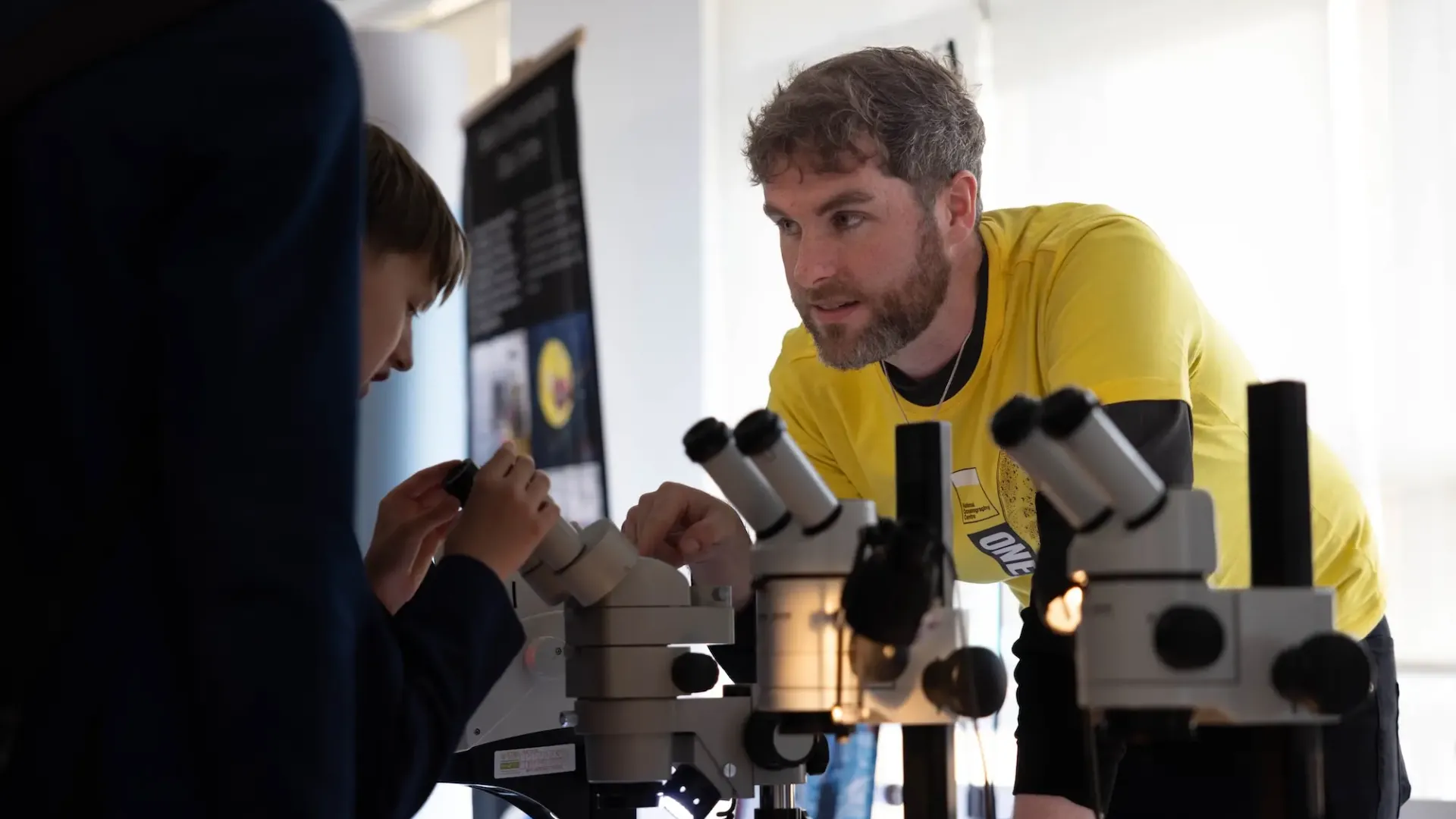
If you’re a communications and engagement specialist looking for a new challenge it’s an exciting time to join us at the National Oceanography Centre. Our ten-year strategy was launched in October 2025 and firmly puts engagement and impact at the forefront of delivering our vision. We are a creative and expert team, all passionate about ‘helping every living thing on our planet flourish’. If you’d like to join us take a look at the roles we have available as we expand our team.

For more information, and to submit an application, please click on the adverts below

Show
  • 12
  • 24
  • 48

Filter by

Salary range

Location

Contract type

  • Current vacancies

  • Login

  • Register

  • Privacy Policy

NOC Logo NOC Logo

Registered address
European Way, Southampton SO14 3ZH

Company number
11444362

Charity number
1185265 (England and Wales)
SC049896 (Scotland)

Call
+44 (0)300 131 2321 Southampton
+44 (0)151 795 4800 Liverpool

Our Work
  • Climate
  • Biodiversity
  • Hazards and Pollution
  • Sustainable Marine Economy
  • Marine Technology
  • Digital Science and Data
Useful Links
  • People
  • Media Centre
  • 2025-2035 Strategy
Help Our Ocean Thrive
  • Donate Now
Receive Regular Updates
  • Subscribe Now
Follow Us
  • Facebook
  • YouTube
  • Bluesky
  • Tik Tok
  • LinkedIn
Our Commitments
Fundraising regulator logo

The National Oceanography Centre (NOC) owns copyright of the material available at this site, unless otherwise stated. All rights reserved.

Legal Menu
  • Contact us
  • Disclaimer
  • Modern Slavery
  • Privacy and cookies